
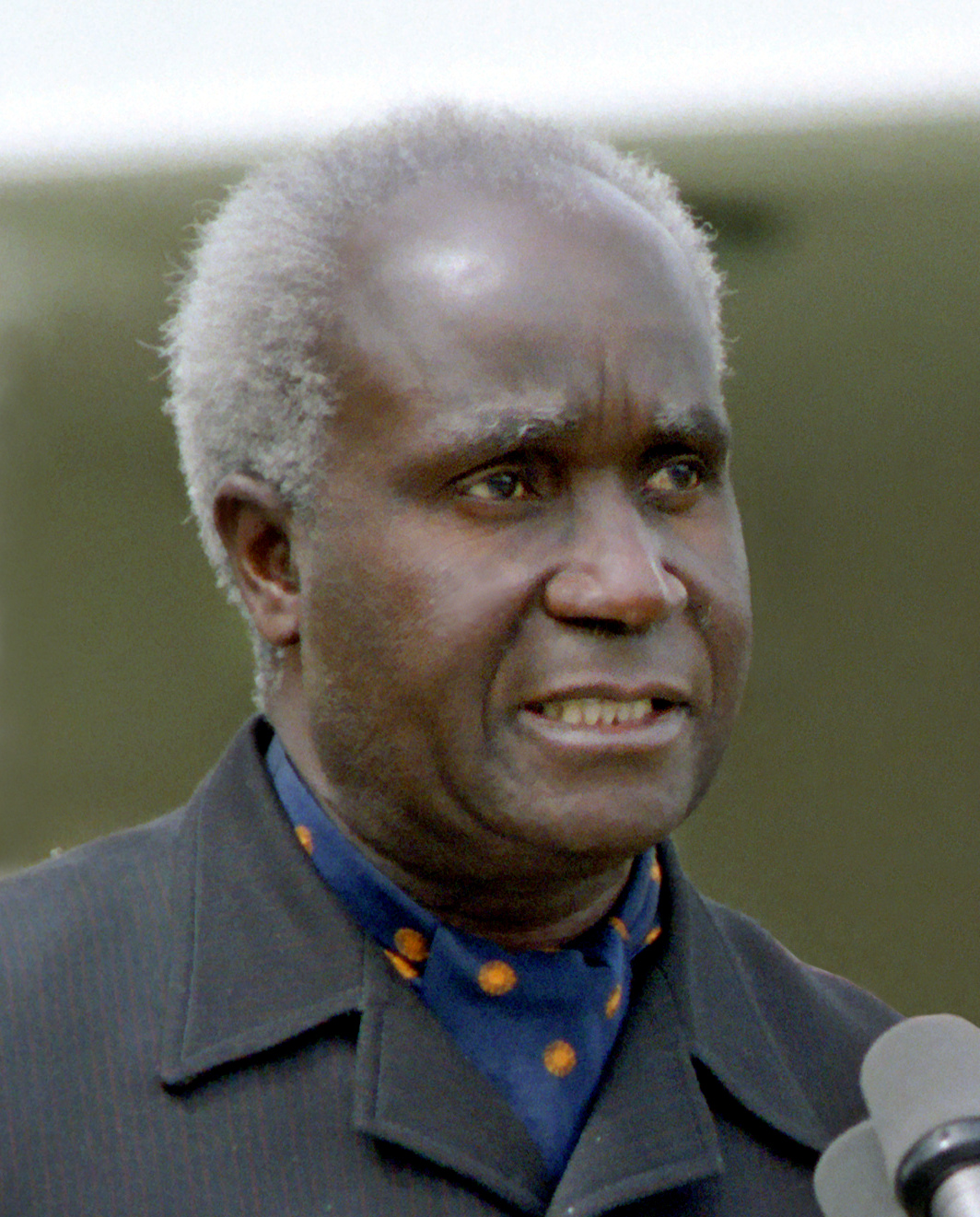
Kenneth David Kaunda, affectionately known as KK, stands as one of the most iconic figures in African history, not just for his role in Zambia’s independence but also for his contribution to the broader anti-colonial struggle in Africa. Born on April 28, 1924, in Lubwa Mission, Chinsali District, Northern Rhodesia (now Zambia), Kaunda’s leadership shaped Zambia into a beacon of peace, unity, and freedom during the tumultuous post-colonial era.
Early Life and the Road to Independence
Kaunda’s journey began in the heart of Zambia’s educational and religious landscape. His father was a missionary teacher, and the young Kaunda was instilled with a deep sense of social justice and spirituality. This foundation would fuel his ambition to free Zambia from the chains of British colonial rule.
He became actively involved in politics in the 1950s, joining the African National Congress (ANC) under Harry Nkumbula. However, disagreements over strategy led Kaunda to form the Zambia African National Congress (ZANC) in 1958, and later, the United National Independence Party (UNIP) in 1960. Through UNIP, he led Zambia’s nationalist movement with a clear message: self-governance and the end of white minority rule in Northern Rhodesia.
After years of political organizing, civil disobedience, and relentless campaigning, Zambia achieved independence on October 24, 1964, with Kenneth Kaunda serving as the country’s first president. Kaunda’s philosophy of humanism, derived from traditional African values of communalism, social welfare, and Christian ethics, became the guiding principle of his presidency.
Leading a Nation: Achievements and Challenges
Kaunda’s presidency spanned nearly three decades, from 1964 to 1991, a time marked by rapid nationalization efforts, economic turbulence, and regional liberation struggles. He navigated Zambia through some of its most difficult challenges, including the need for infrastructural development, education, and health services for the newly independent nation.
Kaunda’s legacy also extends beyond Zambia’s borders. He was a fierce advocate for the liberation of Southern Africa from colonial rule and apartheid. Zambia, under Kaunda’s leadership, became a sanctuary for freedom fighters from Zimbabwe, South Africa, Namibia, Angola, and Mozambique. Lusaka, the capital city, hosted the African National Congress (ANC) of South Africa and other liberation movements, making Zambia a key player in the Southern African struggle for freedom.
However, Kaunda’s later years in office were marred by economic difficulties, particularly following the collapse of copper prices, Zambia’s main export, and the imposition of one-party rule under UNIP in 1973. Despite his commitment to peace and unity, rising discontent over economic mismanagement and political repression led to his electoral defeat in 1991, making way for Zambia’s transition to a multi-party democracy.
The Grave of a Statesman: Resting at the Presidential Burial Site
Kenneth Kaunda passed away on June 17, 2021, at the age of 97, and was laid to rest at the Presidential Burial Site in Lusaka, a solemn and hallowed ground where Zambia’s former leaders find eternal peace. Located across from the Cabinet Office, the site bears immense historical and political significance as it stands near the center of where Zambia’s key government decisions were once made under Kaunda’s leadership.
The site serves not only as a final resting place but as a symbol of national unity and reflection, drawing visitors who wish to pay homage to the leaders who helped shape Zambia’s destiny. Kaunda’s grave, like those of other past presidents, stands as a reminder of his undying love for his country and his contributions to Zambia’s long-standing peace and stability.
Preserving His Legacy: Places to Learn More About KK
For those looking to dive deeper into the life and times of Kenneth Kaunda, Zambia offers a wealth of resources that capture the legacy of its founding father:
- National Archives of Zambia – A treasure trove of historical documents, the National Archives houses letters, speeches, photographs, and official records from Kaunda’s era. Researchers and visitors can explore his journey from activist to president and the many facets of his leadership.
- Freedom Statue, Lusaka – Though not directly linked to Kaunda, the Freedom Statue near Government Complex commemorates Zambia’s independence movement and the efforts of freedom fighters like Kaunda.
- Chilenje House No. 394 – Kaunda’s former home, now a National Monument, where he lived during the struggle for independence. It offers a glimpse into his personal life and early political activities.
- UNIP Headquarters, Lusaka – The former base of operations for the independence struggle, where Kaunda and other leaders strategized for Zambia’s liberation.
- Zambia’s Livingstone Museum – The Livingstone Museum, located in Zambia’s tourist capital, holds exhibits on the history of Zambia’s independence, with sections dedicated to Kaunda’s role and his influence on regional liberation efforts.
Conclusion: A Legacy That Lives On
Kenneth Kaunda’s contribution to Zambia and the African continent cannot be overstated. His commitment to unity, freedom, and human dignity remains a cornerstone of Zambian identity. While his presidency had its ups and downs, his influence on Zambia’s peaceful development and his role in shaping Southern Africa’s political landscape continue to resonate today.
His resting place at the Presidential Burial Site in Lusaka, along with the many monuments and archives dedicated to his memory, ensures that his legacy will be remembered by future generations.
As Zambia continues to grow and evolve, the spirit of KK – his humanism, his resilience, and his undying love for the country – lives on.